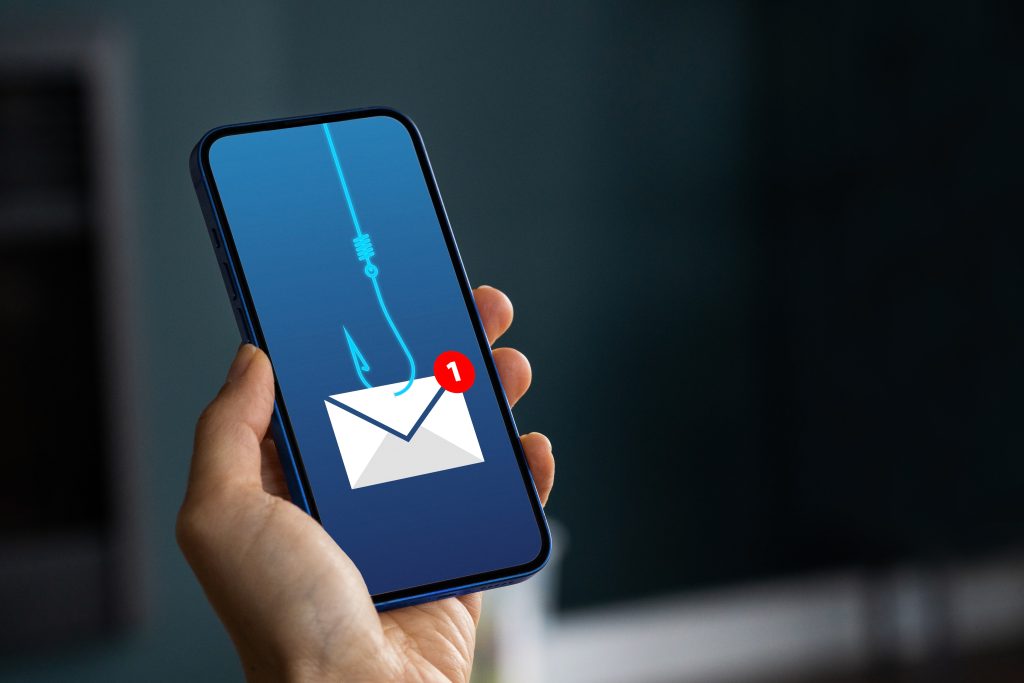
Cybercriminals have discovered that the quickest way into a business isn’t always through firewalls or sophisticated hacking tools. It is through people. Employees are the daily gatekeepers of your organization’s inboxes, accounts, and systems, which makes them prime targets for fake emails, urgent requests, and carefully disguised scams. That is why thoughtful phishing simulation programs are becoming one of the most valuable security habits an SMB in Dallas can build.
Companies across Texas are realizing that teaching people to spot scams is not a one-time exercise. It is a matter of practice, repetition, and steady improvement over time. Just like sports, you don’t train once and expect to win championships. You train regularly, build instinct, and reinforce good decisions through real-world scenarios. That same philosophy applies to phishing testing and cybersecurity hygiene.
At SymTec, we support Dallas-area businesses with ongoing cyber training, local security guidance, and trusted cybersecurity services that help everyday users gain confidence and stay sharp. Suppose your company wants to boost phishing awareness, strengthen inbox defenses, and ensure employees can identify bad actors even on a busy Monday morning. In that case, this guide will walk you through the essentials.
Why phishing simulations matter for Dallas SMBs
Small and mid-sized companies face the same online threats as large enterprises, but often lack the same security budgets and staff. Cybercriminals are aware of this and usually target smaller organizations first. For many Dallas-based teams, inboxes serve as the central hub for communication with vendors, customers, and internal operations. That means email exposure carries real risk.
Studies continue to demonstrate the significant impact of simulations. After repeated threat simulation exercises, employee click rates drop dramatically. Once teams have gone through six to ten simulated attempts, the likelihood of falling for a real attack can be reduced by close to half. With ten or more rounds, that risk drops by roughly two-thirds. In other words, consistency builds instinct, and instinct protects your business.
Today’s threat landscape also includes AI-generated scams. Recent findings show that phishing emails written by
artificial intelligence trick users around 54% of the time, performing about as well as phishing emails crafted by skilled human attackers. That is a serious indication that the playbook is changing, and the scams your team encounters tomorrow could appear incredibly realistic.
Practicing now means your people aren’t learning lessons the hard way.
Simulations reduce breach risk over time
Successful security habits are built through repetition. When teams repeatedly identify fake login prompts, suspicious invoice requests, or altered sender domains, their confidence grows. They become skeptical in healthy ways and take a breath before clicking.
Real benefits include:
- Better pattern recognition for suspicious messages
- Increased reporting of questionable emails
- Faster escalation to IT teammates
- Lower chance of falling for an attacker pretending to be a vendor, customer, or leader
Over time, your workforce becomes a living line of defense. Employees don’t just avoid mistakes. They actively support cyber readiness and serve as early alarms when something feels off.
For businesses that want to take training further, IT defense training and guidance from a Dallas-based partner can help reinforce learning with coaching, rather than instilling fear.
Recommended frequency and reporting habits
How often should you test? Most SMBs benefit from once-per-month simulations. That rhythm keeps people alert without overwhelming them. However, industries handling financial data, healthcare records, or confidential client information may benefit from slightly more frequent testing. Local businesses with distributed teams or remote workers often do as well.
Tracking progress matters. Strong reporting habits help you understand improvement trends and pressure points. Useful metrics include:
- Click rate (how many users interact with a fake phishing link)
- Report rate (who flags suspicious emails)
- Repeat clickers (users who need extra guidance)
- Response time (how long it takes to flag threats)
Instead of shaming employees who click links, the goal is continuous improvement and open conversation. When handled well, simulations evolve from surprise scares into a trusted learning program people respect.
Teams in Dallas often pair simulation reports with fractional security leadership or co-managed support. If you’re exploring shared IT and security stewardship, here’s where our local team supports Dallas organizations with managed security, Dallas strategies, and co-management:
Co-Managed IT
How Dallas SMBs can build effective phishing habits
Just like any discipline, training works best when it aligns with the realities of your people, your industry, and your business pace. Dallas-area companies often juggle logistics, customer support, and vendor relationships across multiple time zones and supply chains, resulting in a heavy inbox volume. Real-world context matters.
Helpful tips for success:
- Make reporting easy. One-click buttons encourage quicker action.
- Send short follow-up coaching for anyone who clicks.
- Reinforce wins when employees catch suspicious messages.
- Share stories from real incidents to build context.
- Keep training conversational, not intimidating.
Most importantly, treat everyone like part of the mission. Employees want to help protect the company. They just need the tools, practice, and confidence to do it well.
If your business uses Microsoft or cloud-based email platforms and wants to harden inbox protections while training users, our team also supports safe configuration and ongoing guidance through our cloud solutions practice:
Cloud Solutions
And for companies prioritizing disaster resilience beyond phishing threats, reliable recovery plans matter too:
Data Backup and Recovery
Why working with Dallas cybersecurity partners helps
Running practical simulations takes more than sending random decoy emails. SMBs benefit when experts help plan the curriculum, rotate phishing themes, measure trends, and adjust messaging based on real attacks happening regionally.
A local partner who understands business culture in Texas, vendor relationships, and the workflow rhythm of Dallas-based SMBs can tailor guidance that connects with your team. At SymTec, we support organizations with regional risk insights, email threat filtering, secure configuration support, and ongoing security awareness coaching. These layers complement staff simulation training and elevate your email security posture.
Whether you have an internal IT manager or rely on outside help, blended support often works best. Many Dallas companies rely on our managed security expertise in Dallas to maintain momentum and provide fresh testing content. Along the way, we also advise on bigger security strategies, as seen here:
Cybersecurity
Sometimes, building protection is about providing your people with the proper technology support to complement their training and enhance their capabilities. That is why we also guide organizations across Texas through cloud and productivity decisions:
SymTec
The goal is simple. Help employees stay sharp, confident, and prepared while the business continues to grow securely.
Creating a security-aware culture in Texas
Security improvement isn’t about fear. It is about learning. When your team views phishing practice as a skill-building exercise instead of a punishment, participation increases and long-term habits are more likely to stick.
Local business communities in Dallas thrive because of trust, relationships, and teamwork. Extending that spirit into internal security practices helps protect jobs, customers, and your company’s financial future. With consistent training, ongoing phishing testing, and expert support, your people become one of your greatest security strengths.
As inbox threats evolve, including AI-powered scams, mastering phishing awareness and real-world exercise routines will continue to be a differentiator. Companies that build cyber-smart cultures today will be the ones who handle tomorrow’s challenges with calm and confidence.
And if strengthening SMB security and Texas posture matters to your leadership team, there is no better time to start. Repeated practice works. Your workforce can and will become more secure with the proper guidance.
Let’s build email-smart habits together
Suppose you want to launch or improve your phishing simulation program, enhance email security protections in Dallas, and build practical cyber readiness across your team. In that case, the SymTec team is here to help.
We support businesses across Dallas with email security Dallas strategy, ongoing workout-style simulations, smart reporting habits, and hands-on security coaching backed by experienced IT leadership.
Reach out anytime to discuss phishing testing, cyber training, and layered cybersecurity services that strengthen your team and protect your business.
Start a conversation today:
Contact Us
Your people are your greatest defense. With steady practice and thoughtful support, they become your most reliable shield.